
5 Signs Your Zambian Business is Ready for an ERP System
Is your growing business held back by scattered spreadsheets and disconnected systems? Learn the 5 clear signs that it is time to upgrade to an ERP.
Written by Mupuma Team
Certified Business Analyst
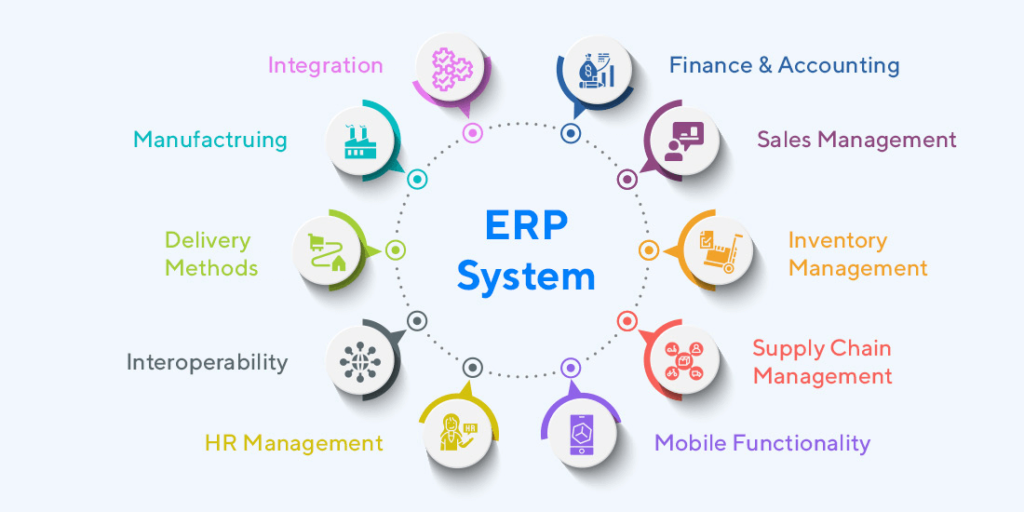
Running a business in Zambia’s rapidly changing economic landscape is both exciting and challenging. As your company grows from a small operation into a larger enterprise, the processes that once kept you afloat can start holding you back. Many business owners rely on basic accounting software and a web of disconnected spreadsheets, only to find themselves drowning in manual data entry and operational bottlenecks.
If you want to maintain your growth momentum and streamline your operations, implementing an Enterprise Resource Planning (ERP) system might be your next strategic step. Here are the top five signs that your Zambian business has outgrown its current systems and is ready for an integrated ERP solution.
1. You rely on scattered, manual Excel sheets
Are your department heads using different Excel sheets to track inventory, sales, and payroll? When data is siloed across multiple files, tracking down a single source of truth becomes a daily struggle. Not only does manual data entry lead to high error rates, but it also slows down your decision-making process. An ERP integrates all functions—finance, inventory, HR—into one database.
2. Reconciling ZRA tax reports is a monthly nightmare
Staying compliant with the Zambia Revenue Authority (ZRA) is non-negotiable. If your finance team spends days manually consolidating invoices, computing VAT, and preparing tax reports, you are wasting valuable time and risking compliance errors. An ERP system automates accounting workflows and supports seamless ZRA Smart Invoicing integrations, ensuring audit-ready compliance at the click of a button.
3. You lack real-time visibility into your inventory
If a customer calls to place a large order, can your team instantly check if the stock is available in your Ndola or Lusaka warehouses? If you have to call warehouse managers or wait for weekly inventory counts, you risk stockouts, overstocking, or lost sales. ERP software provides real-time tracking across all locations, automating purchase triggers before stock runs low.
Operational transparency is the difference between a business that survives and a business that scales. When you know your exact numbers, you can move with confidence.
4. Poor collaboration between departments
When your sales representatives have no view of customer credit limits set by the finance team, or procurement buys stock without knowing current sales trends, your operations become disjointed. An ERP bridges this gap, allowing teams to share real-time insights and work from a unified platform.
5. You have outgrown basic accounting tools
Basic software is perfect for startups, but as your transaction volume grows, these databases slow down, crash, or fail to handle complex multi-currency transactions. A modern ERP like Sage 300 or Sage Evolution is designed to scale with your transaction volume, supporting multi-branch setups, advanced budgeting, and deep analytics.
Next Steps for Your Business
If any of these signs sound familiar, it is time to consider an ERP audit. At Mupuma, we are certified Sage ERP implementation experts in Zambia. We help you select, customize, and deploy the right ERP system to bring order to your operations and unlock new levels of business efficiency.
Ready to Scale with Sage ERP?
Connect with Mupuma's certified implementation engineers to audit your operations and configure the perfect Sage ERP setup for your business.
Schedule a Free Demo